

Why EV Drivers Need a Defensive Driving Course Georgia Recognizes
Electric vehicles are transforming the way Georgians drive. From the streets of Atlanta to the highways connecting Savannah and Macon, more drivers are switching to electric power each year. While EVs offer environmental benefits and lower operating costs, they also handle differently than traditional gasoline vehicles. Understanding these differences is essential for staying safe on the road. This guide covers the key defensive driving adjustments every Georgia EV driver should know.
Georgia ranked among the top ten states for EV registrations in 2023, with over 60,000 electric vehicles on the road. energy.gov
Understanding Regenerative Braking
One of the most significant differences between electric vehicles and gas-powered cars is regenerative braking. When you lift your foot off the accelerator in an EV, the vehicle does not simply coast. Instead, the electric motor reverses its function and acts as a generator, converting your forward momentum back into electricity for the battery.
This creates a noticeable braking effect without pressing the brake pedal. Many EVs offer a feature called one-pedal driving, which lets you accelerate and decelerate with only the accelerator.
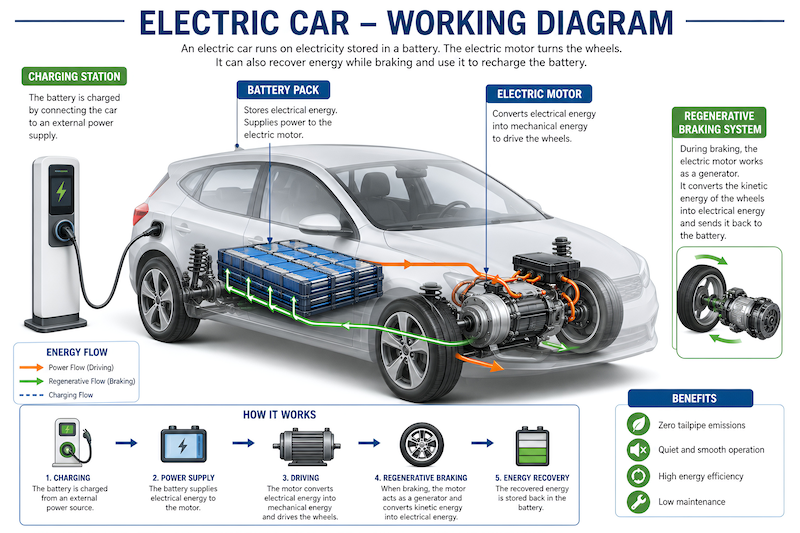
For defensive driving purposes, this means:
- Your following distance may need adjustment. Since your vehicle decelerates as soon as you release the accelerator, drivers behind you may not expect it. Practice smooth transitions and maintain extra space between your vehicle and others.
- Brake lights may not always activate. Depending on the vehicle and the level of deceleration, your brake lights might not illuminate during regenerative braking. This can confuse drivers behind you, so anticipate their reactions and avoid sudden lifts off the accelerator in heavy traffic.
- Cold weather reduces regen effectiveness. When battery temperatures are low, regenerative braking may be limited. Your vehicle will not slow down as quickly as expected, so be prepared to use the friction brakes more often during the winter months.
Managing Instant Torque
Electric motors deliver maximum torque the moment you press the accelerator. Unlike gasoline engines that build power gradually, EVs respond immediately. This instant acceleration can be thrilling, but it also requires discipline.
From a defensive driving perspective:
- Avoid aggressive acceleration from stops. Rapid takeoffs can lead to loss of traction, especially on wet or gravel roads. Smooth, controlled acceleration keeps you in command of your vehicle.
- Be cautious in parking lots and residential areas. The quick response of an EV can catch pedestrians and other drivers off guard. Drive slowly and remain alert in areas where people may not hear your vehicle approaching.
- Anticipate your own reaction times. Instant torque means your car reacts faster than you might expect. Practice gradual pressure on the accelerator until you fully understand how your vehicle responds.
Accounting for Increased Vehicle Weight
 Electric vehicles are heavier than comparable gasoline vehicles due to their battery packs. For example, the battery alone in some large EVs can weigh over 1,000 pounds. This additional mass affects handling, braking, and overall vehicle dynamics.
Defensive driving considerations include:
- Longer stopping distances. More weight requires more distance to come to a complete stop. Increase your following distance and begin braking earlier than you would in a lighter vehicle.
- Greater impact force in collisions. Heavier vehicles transfer more energy during a crash, which can cause increased damage to other vehicles and property. Drive with extra caution, especially around smaller cars, motorcycles, and pedestrians.
- Tire wear and traction. The added weight of an EV can accelerate tire wear and reduce grip in wet or icy conditions. Check your tires regularly. Georgia’s erratic weather and temperature changes can greatly affect these; ensure your tires are properly inflated.
Staying Alert in a Quiet Vehicle
EVs operate almost silently at low speeds. While this is pleasant for passengers, it presents a hazard for pedestrians, cyclists, and even other drivers who may not hear you approaching.
- Assume others do not hear you. In parking lots, crosswalks, and residential streets, proceed slowly and make eye contact with pedestrians before passing.
- Use your horn when appropriate. A light tap of the horn can alert someone to your presence without being aggressive.
- Stay vigilant near schools and parks. Children and distracted pedestrians may step into the road without looking. Your quiet approach means you bear extra responsibility for awareness.
Take the Next Step for Safer Driving: Register for a Defensive Driving Course Georgia Approves
Electric vehicles require a new approach to defensive driving. From regenerative braking to managing instant torque and heavier weight, the skills you developed in a gasoline car may not fully apply behind the wheel of an EV.
If you want to sharpen your defensive driving skills or need to complete a court-approved program, we are here to help.
Contact us today to register for our Court-Approved Defensive Driving Course and become a safer, more confident driver on Georgia roads.